Muirkirk Faith in Industry / MUIRKIRK 産業への信仰 - Chaire Exhibition 2024
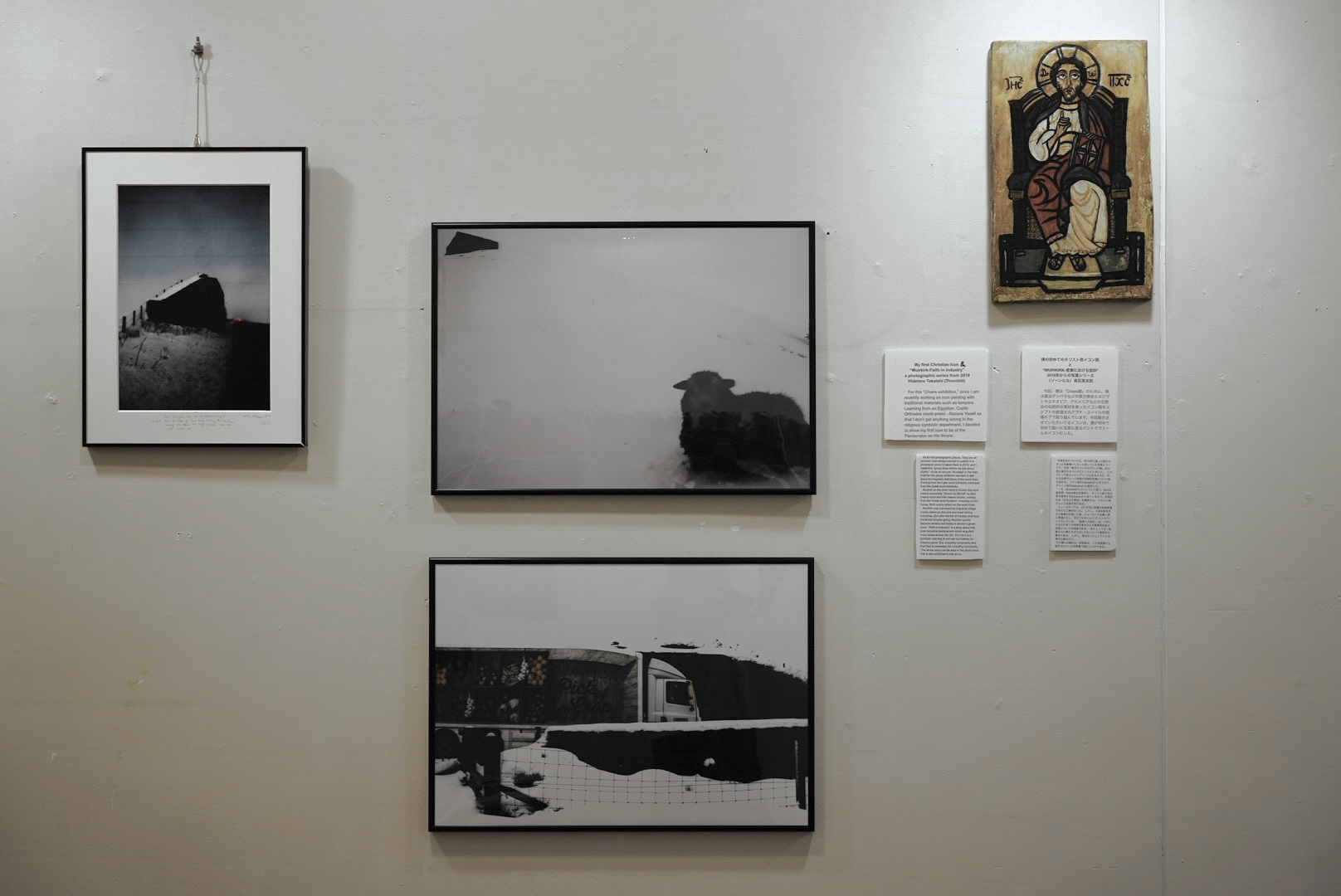
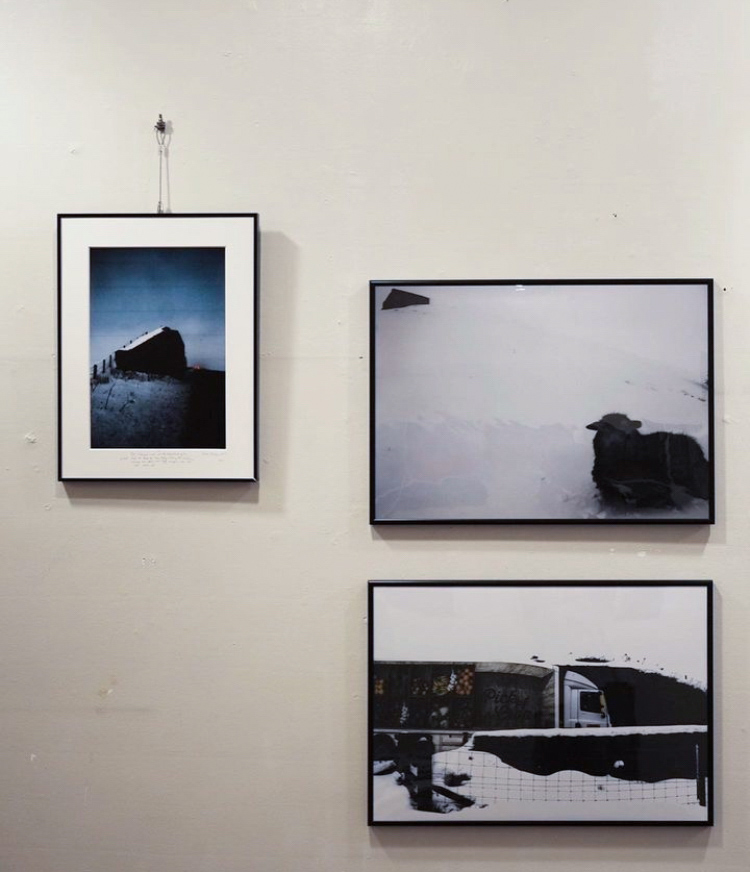
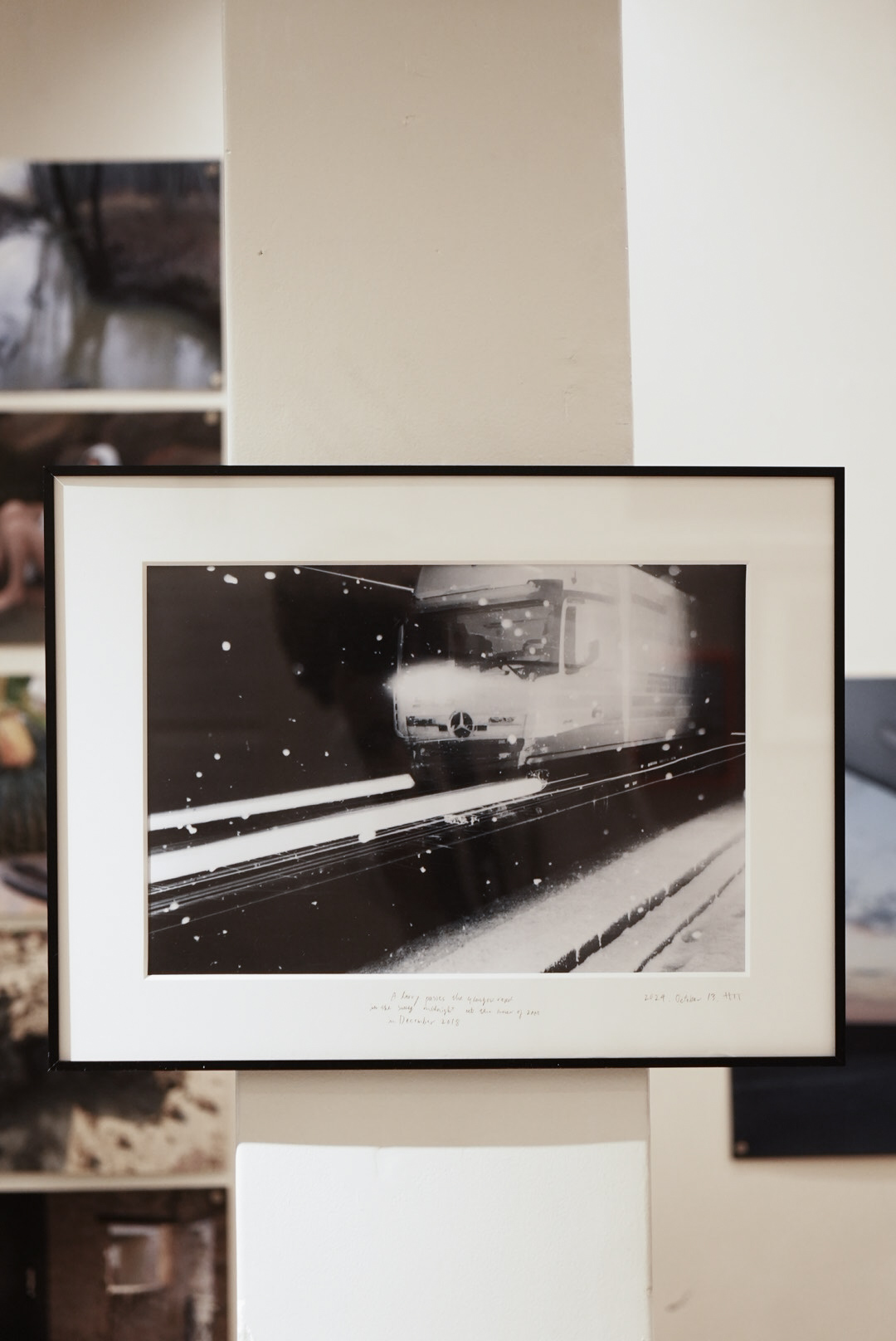
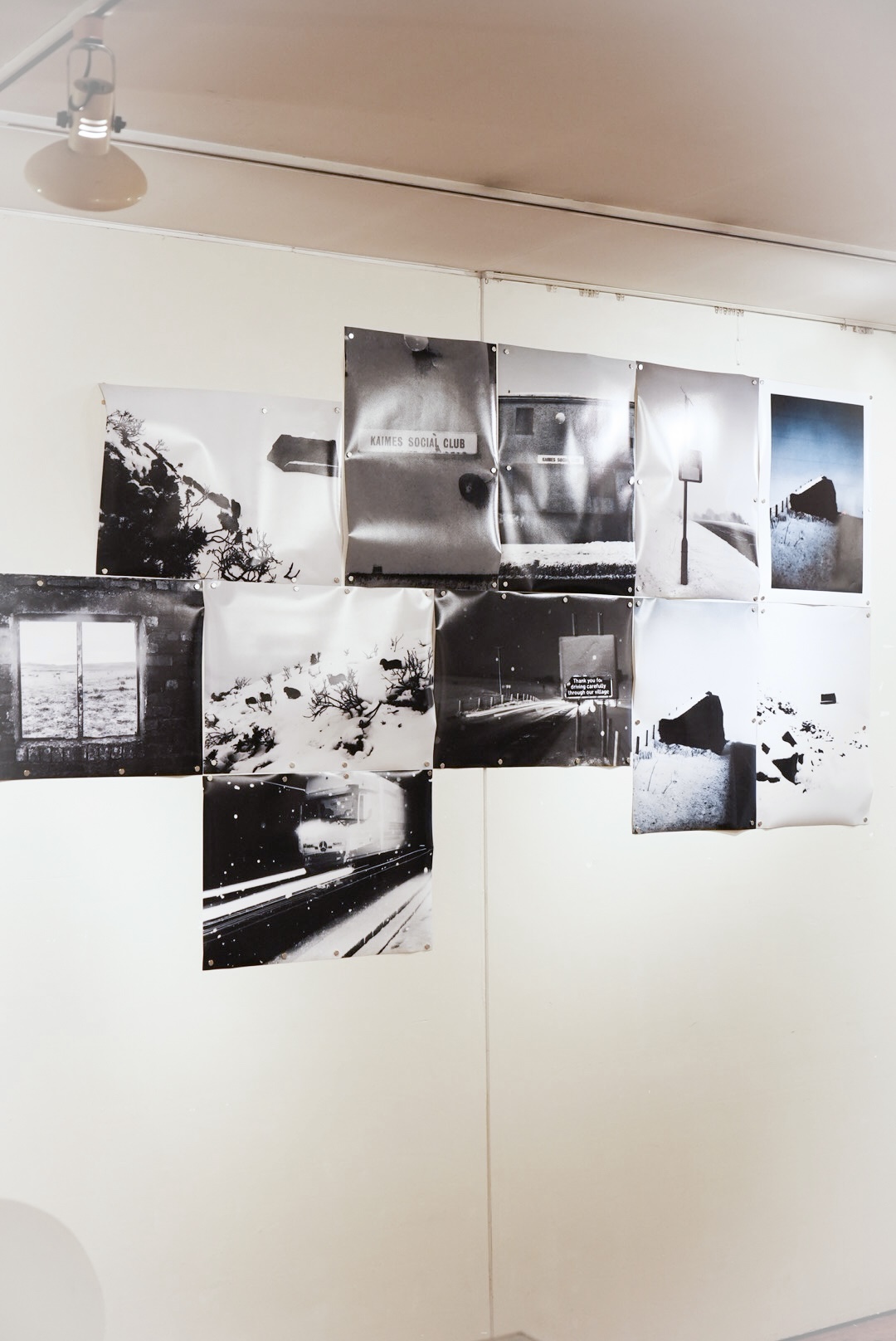
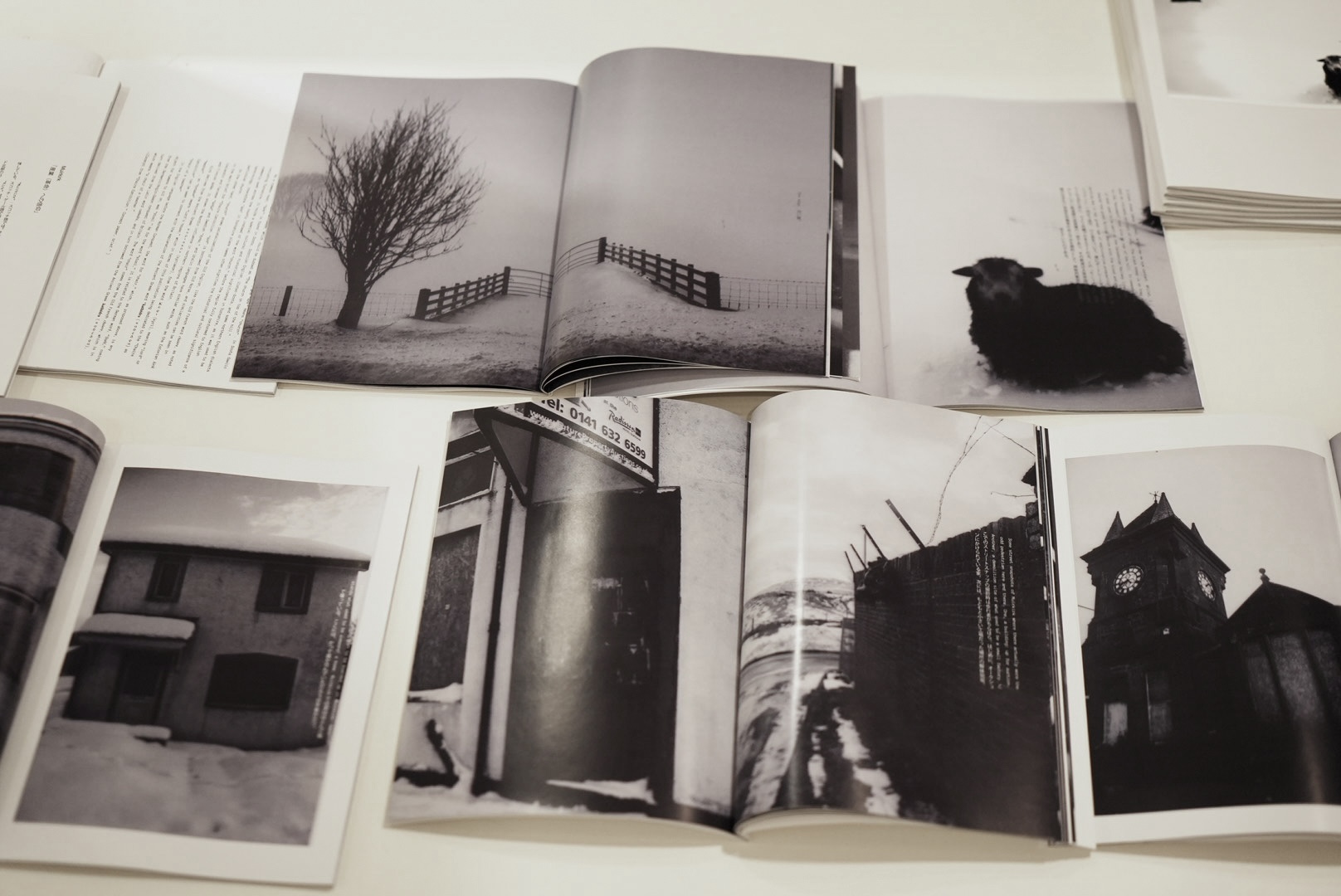
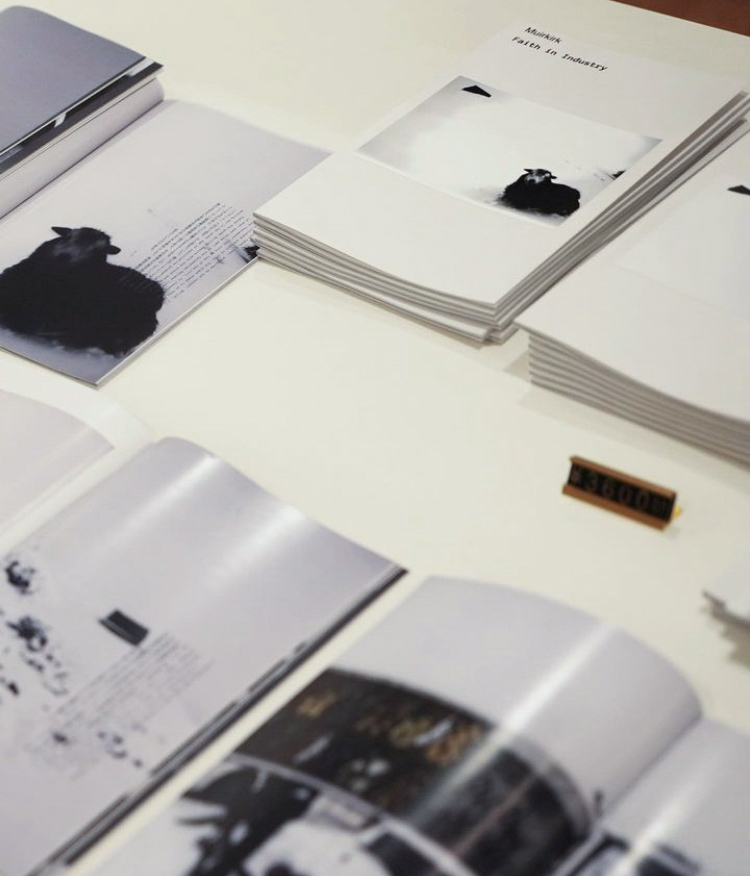
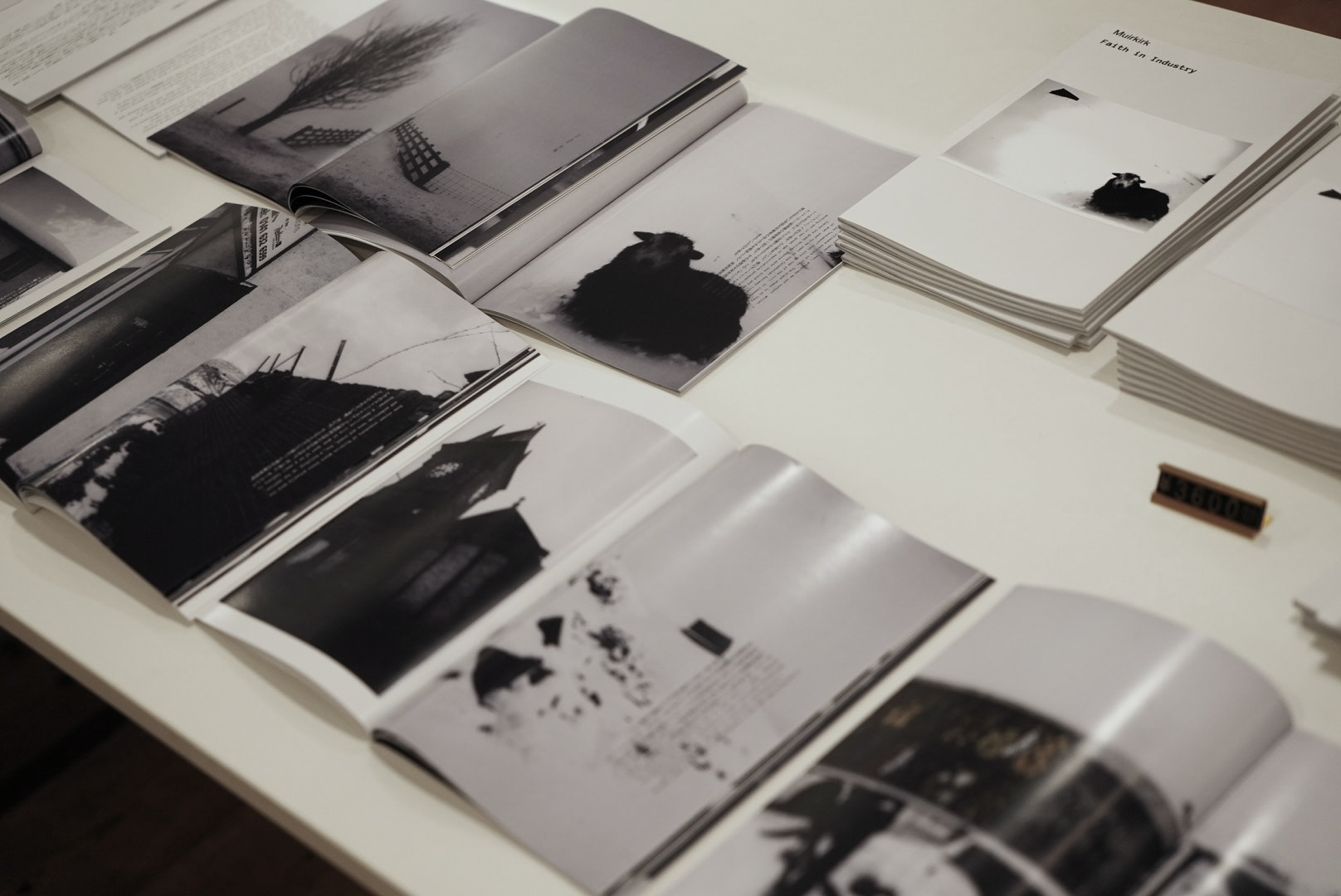
Muirkirk Faith in Industry / MUIRKIRK 産業への信仰 is a self-published book of photographs I made in Muirkirk, East Ayrshire, in 2018.
At the time, I was living in Glasgow as a student. I went to Muirkirk with the intention of documenting the village. A friend who lived there let me stay at his place, and I sought out someone affiliated with the Scottish National Party (SNP), who showed me around the village and spoke to me about its history.
I wanted to understand Muirkirk’s decline not as the result of one event, but as the accumulation of historical forces: industrial change, changing conditions of labour and employment, political and economic decisions, disinvestment, and the long effects these have on everyday life.
The photographs look at Muirkirk as a place marked by absence: quiet streets, run-down buildings, empty spaces, and the visible signs of economic decline.
Rather than photographing a village full of people, I wanted to show what it felt like when that fullness had already disappeared. The work is about a place where the structures that once sustained community life had weakened, leaving behind traces of labour, belief, and memory in the landscape itself.
The title is intentionally ironic. The name Muirkirk itself carries a religious meaning: in Scots, muir refers to moorland, and kirk means church. For me, the name suggested the image of a church on a hill. Against this, Faith in Industry points to a misplaced trust in work, productivity, industrial growth, and economic progress as things that can provide lasting meaning or stability.
The project reflects on the limits of the Protestant work ethic and the belief that labour can sustain a life, a community, or a future indefinitely. Muirkirk became, for me, a place where that belief could be seen in its aftermath.
Industry can offer work, identity, and purpose, but it can also disappear. What remains is more fragile: memory, place, and the structures left behind.
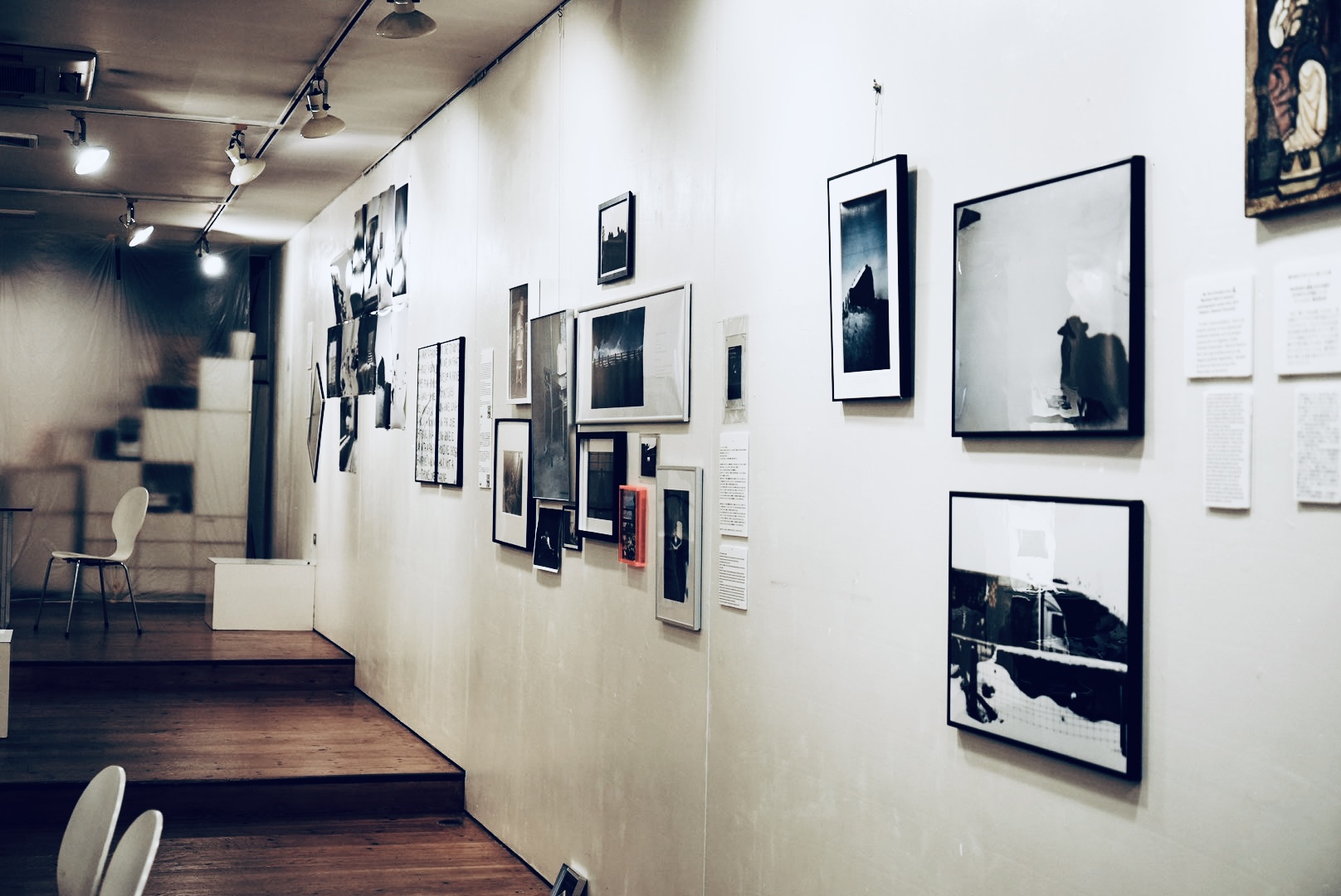
I first self-published an earlier version of the book in 2018. In 2024, I used Chaire Exhibition—a group exhibition I organised in Osaka—as an excuse to return to the project and republish it as a new self-published edition. The 2024 version is not simply the same book reproduced, but a way of revisiting an early photographic project at a time when my work was beginning to move toward painting, religious imagery, and questions of faith.
Around this time, I was also making paintings on wood with natural pigments and tempera, influenced by Coptic Orthodox iconography. Although that practice is not currently central to my work, it shaped the way I thought about images, devotion, and where faith is placed.
The exhibition title also carried a religious meaning for me, referring not to an ordinary chair, but to the Chair, or throne, of the Lord. In that context, returning to Muirkirk Faith in Industry made the irony of the book clearer: industry should not occupy the place of faith.
Revisiting the work allowed me to look again at an important early period in my practice. This project was a starting point for me.
I began as a photographer, using the camera to document places, absence, and the atmosphere of decline. Over time, the questions that emerged through photography—how places carry history, how images hold memory, and how a subject can remain unresolved—slowly moved into painting.
Photography is where my practice began, while painting is now its central form.
The full PDF of this self-publication is available to read on this page.
Muirkirk Faith in Industry / MUIRKIRK 産業への信仰 は、2018年にイースト・エアシャーのミュールカークで撮影した写真をもとにした自主出版の写真集である。
当時、私は学生としてグラスゴーに住んでいた。私はミュールカークという村を記録する意図を持ってそこへ向かった。現地に住んでいた友人が自宅に泊めてくれ、私は Scottish National Party(スコットランド国民党 / SNP)に関係する人物を探し、その人に村を案内してもらい、その歴史について話を聞いた。
私はミュールカークの衰退を、ひとつの出来事の結果としてではなく、複数の歴史的な力の積み重なりとして理解したかった。産業の変化、労働と雇用の条件の変化、政治的・経済的な決定、投資の不足、そしてそれらが日常生活に与える長い影響。
写真は、静かな通り、荒廃した建物、空っぽの場所、そして経済的衰退の目に見える痕跡を通して、不在に印づけられた場所としてのミュールカークを見つめている。
人であふれた村を撮るのではなく、その充満がすでに失われた後に何が残っているのかを示したかった。この作品は、かつて共同体の生活を支えていた構造が弱まり、労働、信仰、記憶の痕跡が風景そのものの中に残された場所についてのものである。
タイトルは意図的に皮肉を含んでいる。ミュールカークという地名そのものにも宗教的な意味がある。スコットランド語(Scots)で muir は丘陵地やムーアを指し、kirk は教会を意味する。私にとってその名前は、「丘の上の教会」のイメージとも重なっていた。
それに対して Faith in Industry は、労働、生産性、産業の成長、経済的進歩が、持続的な意味や安定を与えてくれるという、誤った信頼を指している。
このプロジェクトは、プロテスタントの労働倫理と、労働が人生、共同体、あるいは未来を永続的に支えうるという信念の限界について考えるものである。ミュールカークは、私にとって、その信念の後に残されたものを見ることのできる場所となった。
産業は仕事、アイデンティティ、目的を与えることができるが、それは同時に消え去ることもある。残るものはより脆い。記憶、場所、そして取り残された構造である。
私はこの本の初期版を2018年に自主出版した。2024年には、大阪で私が企画したグループ展 Chaire Exhibition を口実として、このプロジェクトに再び向き合い、新たな自主出版版として再出版した。2024年版は2018年版をそのまま再録したものではなく、写真による初期のプロジェクトを、絵画や宗教的なイメージ、信仰についての問いへと制作が向かい始めていた時期に、改めて見つめ直すためのものである。
この頃、私はコプト正教のイコンに影響を受け、木板に天然顔料とテンペラを用いた絵画も制作していた。現在その実践は私の制作の中心ではないが、それはイメージ、祈り、そして信仰がどこに置かれるのかについての考え方を形づくった。
展覧会のタイトルも、私にとって宗教的な意味を持っていた。それは普通の椅子を指すのではなく、主の座、あるいは主の玉座を指していた。その文脈の中で Muirkirk Faith in Industry に戻ることで、この本の皮肉はより明確になった。産業が信仰の場所を占めるべきではない、ということである。
この作品を再び見返すことは、自分の制作における重要な初期の時期を見つめ直す機会となった。このプロジェクトは、私にとってひとつの出発点である。
私は写真家として出発し、場所、不在、そして衰退の空気を記録するためにカメラを使っていた。やがて、写真を通して生まれた問い――場所がどのように歴史を抱えるのか、イメージがどのように記憶を保持するのか、そして対象がどのように未解決のまま残りうるのか――は、少しずつ絵画へと移っていった。
写真は私の制作の始まりにあり、現在は絵画がその中心的な形式となっている。
この自主出版物のPDF全文は、このページで読むことができる。